
Motorbike Insurance
Compare Motorbike Insurance Quotes
Get tailored motorbike insurance from trusted UK providers, with cover suited to your bike, riding needs and budget.
SSL Data Encryption
Partnered with Policy Link
- FCA-Regulated Providers
- Quick & Easy Form
- No Obligation Quotes
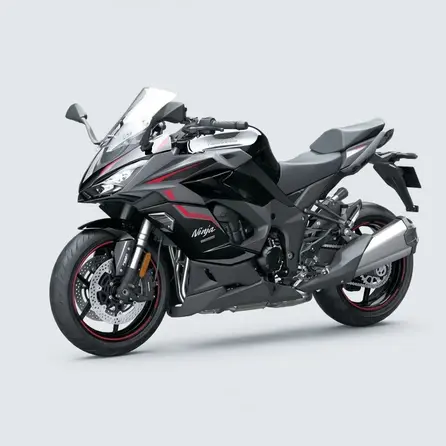
Motorbike Insurance
Is bike Insurance Mandatory in the UK?
Yes, you need motorbike insurance in the UK. The Road Traffic Act 1988 requires you to have at least third-party insurance before you can ride anywhere on a public road. Minimum cover protects other people, their vehicles and property, in the event you are involved in an accident.
Motorcycles are fun to ride and offer a sense of freedom, but you have to be responsible and realise the risk of riding. Getting into an accident or just having your motorcycle damaged or stolen can lead to very costly repairs and a lot of stress. Even small wrecks can put you in debt if you aren't financially ready.
This is where motorbike insurance can help. It covers the costs related to accidental damage, theft, or third-party claims. Whether you use your bike for daily commuting, weekend trips, or long journeys, the right cover gives you confidence and peace of mind every time you are on the road.
What will happen if I ride my motorbike without insurance?
Riding without proper insurance can lead to:
- Fixed penalty: £300 fine and 6 penalty points on your licence
Vehicle seizure: Your motorbike may also be seized and potentially crushed by the police. - Prosecution: If the case goes to court, you may be fined an unlimited amount and receive a driving ban.
- Points on licence: Convictions can affect future insurance premiums and eligibility.
Even if your bike is parked on the road, it must be insured unless officially declared off-road with a SORN.
Why do motorcycles have unique risks compared to cars?
It's easier to get in an accident when on a motorcycle compared to a car. Being aware of risks helps riders decide what is best for their safety and what type of insurance to purchase.
Here are some risks that motorcycle riders often deal with:
Less visibility
Motorcycles are much smaller, so it's often harder for drivers to notice them, especially in heavy traffic or bad weather.
Higher exposure in accidents
Unlike car drivers, motorcycle riders don't have much protection, which can increase the chances of serious injuries in a collision.
Weather challenges
It's difficult to control a motorcycle during rain, ice, strong winds, and on slippery roads.
Theft target
Because of their smaller size and easy portability, motorcycles can be easier for thieves to target.
Do I need a specific licence to ride my motorbike?
In short, yes. In the UK, motorbike licences are split into four main categories—AM, A1, A2 and full A—each with its own minimum age and power/engine limits. You progress through them as you get older and gain experience, or you can take the Direct Access route to jump straight to a full licence.
- AM – For mopeds up to 50cc with a maximum speed of 28 mph (45 km/h). Minimum age 16. Requires CBT, theory test and a practical test.
- A1 – For light motorcycles up to 125cc and 11 kW (about 15 bhp), plus some motor tricycles up to 15 kW. Minimum age 17. Requires CBT, theory test and both practical modules.
- A2 – For medium-power motorcycles up to 35 kW (47 bhp) with specific power-to-weight limits; the bike must not be derived from one over 70 kW. Minimum age 19. Requires CBT, theory test and practical modules on an A2-compliant bike.
- Full A – For any motorcycle, any engine size or power. There are two routes to get it:
- Progressive access: from age 21 if you’ve held an A2 licence for at least 2 years (retake practical only).
- Direct Access (DAS): from age 24, taking theory and practical on a bike of at least 595 cc and 40 kW.
Before riding almost any motorcycle or moped on public roads, you must first complete a Compulsory Basic Training (CBT) course and hold a valid CBT certificate, which lets you ride with L‑plates while you prepare for your tests.
What levels of coverage are available for motorcycles?
There are three main levels of cover for bike insurance.
- Third Party Only
- Third Party Fire and Theft
- Fully Comprehensive insurance.
How does Third-Party Only cover work?
This is the minimum required legal motorcycle insurance UK, and usually the cheapest one. Third Party Only protects against damage and injuries that you may cause to other people and their vehicles.
However, it has clear limitations. It does not cover accidental damage to your own bike, theft or vandalism.
Best suited for:
- Older motorcycles
- Low-value bikes
- Riders wanting minimum legal protection on a tight budget.
What does Third Party Fire and Theft cover?
TPFT builds on third-party only but adds cover against motorbike theft and damage from fire. It is a good option for riders who want protection beyond the basics. Even though it offers more coverage than the basic option, it still does not cover damage to your own bike caused by an accident.
Suitable for:
- Bikes parked outside
- Motorcycles with theft concerns
- Mid-value bikes
Is a Fully Comprehensive policy suitable for my motorbike?
This is the most broad cover available. Even though a bit expensive, comprehensive motorbike insurance is often the best value when you consider what's included. It covers damage to your own bike, theft, fire, third-party claims, and several add-ons.
Ideal for:
- New motorcycles
- Expensive bikes
- Daily riders who want full peace of mind
Interestingly, comprehensive cover can sometimes be overall cheaper than third-party policies. Insurers often see fully covered riders as lower risk, which can lead to better premiums.
What does a standard bike insurance policy cover?
- Injury to third parties due to an accident that you caused.
- Damage to third-party property, including vehicles, buildings, and personal belongings.
- Theft protection for your motorcycle (Third Party Fire and Theft or Comprehensive Policy).
- Fire damage to your bike under eligible policies.
- Accidental Damage to Your Motorcycle (When You Have Comprehensive Insurance)
- Motorcycle recovery and roadside assistance (with comprehensive policy or added as an optional extra).
- Legal cost coverage for certain claims.
- Personal accident coverage available with some insurers as standard or optional cover.
- Protection against uninsured drivers.

What Is Not Covered by Motorbike Insurance?
Bike insurance policies often have exclusions that can lead to a claim being denied. Common exclusions typically include:
- Riding Without the Correct Licence: Claims can be denied if you do not have the appropriate CBT, lack a valid motorcycle licence, or you use a motorcycle licence in the wrong category.
- Using the Bike for Incorrect Purposes: Policy will be voided if your motorbike is insured for social purposes but is used for commuting or business-related activities.
- Illegal Modifications: Unapproved changes, such as engine modifications, alterations to exhaust systems, or performance upgrades, may invalidate your policy.
- Riding Under the Influence: Incidents caused by riding while under the influence of drugs or alcohol are likely to be denied and will bring criminal penalties.
- General Wear and Tear: Insurers do not cover normal aging of the vehicle, worn tires, or mechanical breakdowns as these fall under maintenance-related issues.
How much does insuring a bike cost in the UK?
Every rider and bike is different, so there is no fixed cost for bike insurance in the UK. You can't get one flat rate simply because there are a lot of factors and differences. The insurance company decides how much your insurance will cost based on how likely they think you are to make an insurance claim.
What affects the price?
- Rider age and experience – Cost of insurance is higher amongst younger and less experienced bikers as they are more likely to be involved in an accident.
- Bike make, model, engine size, and value – Faster, bigger, and expensive motorbikes are generally exorbitant to insure. Insurance for a 125cc motorcycle will be higher than that of a 70cc bike.
- Location and theft risk – If you live in an area with greater theft or accident risk, your quote will likely be more expensive.
- Annual mileage –The more you ride, the more costly the insurance.
- Bike usage – Social use, commuting, or business use can affect the premium.
- Claims history and driving record – A clean driving record with no or minimum claims can help you get cheaper quotes.
- Coverage level – Fully comprehensive cover usually costs more, but not always.
- Security measures – Alarms, locks, and secure parking can reduce the price.
Do Motorbikes have Assigned Insurance Groups?
Yes. UK law places motorbikes into insurance groups from 1 to 17 based on how risky they are to insure and how they affect the premiums. Some insurers stretch the scale up to group 22 for high-end performance and high-value motorcycles, but the logic is the same: higher group = higher premium.
| Insurance group | Typical bikes & risk profile | Effect on premium |
|---|---|---|
| 1–3 | Small mopeds and low-power bikes with less expensive repairs. | Lowest premiums, Best for new/young riders. |
| 4–8 | Mid-sized 125cc - 400cc motorcycles. | Moderate premiums due to being the most popular choice for daily riding. |
| 9–12 | Larger A2 and A-Class bikes with higher performance and greater value. | Notably higher premiums due to increased risk for repair or theft. |
| 13–17 (up to ~22) | High-performance superbikes, large-capacity tourers, and other premium models. | Exorbitant insurance rates due to expensive parts and high theft rate. |
Which optional extras should I add to my motorbike insurance?
You can usually customise your motorbike cover by adding optional extras. These add-ons are not automatically included so that riders can select them according to their needs, driving habits, and financial circumstances.
Legal Expenses Cover
Legal Expenses cover helps subsidise the cost of pursuing a legal case after an accident where you were not at fault. It can also help pay the costs of a solicitor and recover damages.
Helmet and Leather Cover
Safety gear is expensive, and this add-on helps pay for your gear if it's damaged in a wreck. The coverage extends up to helmet, leather jacket, trousers and boots, etc.
Personal Accident Cover
Personal accident cover provides financial support if the rider gets seriously injured in an insured event. Depending on the policy, it may offer a payment for permanent body damage or other major accidents.
Breakdown Cover
This option provides roadside assistance, quick repairs, or the recovery of your motorcycle to an approved bodyshop in case your bike stops working during the trip.
Pillion Cover
A pillion cover protects passengers who ride on the back of your motorbike. It provides financial support if your passenger is injured during an accident.
Key Cover
This policy pays for new keys if yours are lost, damaged, or stolen. It also covers related costs, such as locksmith charges.
EU or Foreign Travel Cover
This policy offers more coverage if you are taking your motorbike abroad. It makes sure you have enough protection for travelling to European and other countries.
How to Get Cheap Motorbike Insurance?
- Choose the right motorcycle: Smaller engines, lower insurance groups, and practical bikes are usually cheaper to insure than powerful sports models.
- Improve security: Ground anchors, disc locks, GPS trackers, and parking inside a garage lower insurance significantly and also reduce the risk of theft.
- Increase your excess carefully: Increasing your voluntary excess will bring your premium down, but don't pick a number you won't be able to afford.
- Build your no claims bonus: Ride safely and avoid unnecessary claims to earn discounts over time.
- Compare motorbike insurance quotes: Insurance costs and coverage for motorbikes vary greatly across providers. Compare quotes from different companies to find the best coverage and price.
- Avoid automatic renewals: Never opt for auto-renew. It's recommended to review your policy every year and check alternatives before renewing with the current insurer.
- Opt for multi bike insurance: If your household has more than one bike, covering them under the same policy can save you up to 15%.
Is motorbike insurance the same for all?
No, each rider is unique. They may be a beginner as a learner, or an experienced rider with classic or high-performance bikes. Specialised motorbike policies offer appropriate cover according to the type of motorbike, how it is used, and the rider.
Who is Learner Motorbike Insurance for?
Learner motorbike insurance is designed for people who are still gaining experience and working towards a full licence. It is commonly used by riders who hold a provisional licence or are completing their compulsory basic training (CBT).
These policies often cover smaller motorcycles, such as 50cc or 125cc bikes, which are popular among new riders. You must follow UK training requirements, including completing a CBT course before riding on public roads.
Why Does It Matter?
- Ensures legal compliance for learners
- Reduces financial risks during training
- Builds confidence for new riders
- Supports safe riding practices
Choosing the right learner insurance helps riders focus on skill development while staying protected on the road.
Do scooters need a specific insurance policy?
It’s not mandatory. Scooters are placed into the same category as motorbikes. However, scooters are getting popular in the UK because they are economical, easy to handle, and practical for short journeys. Therefore, many insurance companies have started to provide scooter insurance for everyday travel, especially in busy towns and cities.
Standard policies usually cover smaller scooters, including 50cc models commonly used by learners, as well as more powerful 125cc scooters used for commuting. The level of cover depends on the scooter's price, engine size, usage and a few other factors.
Note: If you are a scooter owner, make sure to get personal accident cover as there are more chances of self-injury.
Is it possible to insure a classic motorbike in the UK?
Yes. A lot of enthusiasts cherish vintage motorcycles. These are often maintained for their amazing history, high value, or collectable appeal. However, insuring classic bike models has specific requirements related to the bike's age and condition.
Many insurers require classic motorcycles to meet a minimum age requirement, although this varies between providers.
Policies may also include limited mileage restrictions because classic bikes are often used for occasional rides rather than daily commuting.
Most classic bike policies offer agreed value cover, and that's a plus point. Agreed value cover means the insurer and owner agree on the motorbike's price before a claim occurs.
Is electric motorbike insurance more expensive than its petrol counterparts?
Yes, protecting an electric motorcycle is costlier than a petrol one due to the high-value battery. With the rise of clean green energy, more and more Britons are shifting to electric motorbikes. Due to this, insurers are creating specialised policies that address the unique features and concerns of an EV.
Electric motorbike insurance comes with protection for the battery, which is one of the most expensive parts of an electric motorcycle. Standard policies usually include cover for charging equipment and accessories.
To mention, repair considerations can differ from petrol bikes because electric motorcycles often require specialist parts and trained technicians. You should check the extent to which repairs and replacement costs are covered in their policy.
Why can’t I insure my sports bike under a standard policy?
High-performance motorcycles with powerful engines, advanced features, and higher repair costs can't be covered under regular motorbike policies. These bikes can be more expensive to insure because they may have a greater risk of theft, accidents, or costly repairs.
How do insurers calculate premiums?
When calculating premiums, insurers consider factors such as
- engine size
- rider experience
- security measures
- riding history
Sport bike owners taking part in rallies, races, or exhibitions should make sure that the insurance covers them for these events. If not, you can add an optional track-day add-on.
Who should get short-term motorbike insurance?
Temporary bike insurance provides short-term cover for riders who do not need a full annual policy. It can be useful for occasional riding, testing a motorcycle, or using a bike for a limited period. 1 day motorbike insurance is the most suitable if you want to run a few errands on your day off.
This type of insurance is ideal for:
- Riders with lower mileage
- Those who only use their motorcycle for weekend rides.
- Seasonal riders who keep their bikes stored for part of the year.
Motorcycle insurance temporary policy costs and availability also depend on storage arrangements and the length of cover required.
What is the length of temporary motorbike coverage?
You can get short term motorcycle insurance for 1-28 days. Some temp motorbike insurance policies can range up to 3-6 months.
What type of insurance is best for a modified motorcycle?
Modified bikes need a specialised policy with comprehensive cover. Modified motorcycle insurance UK is for bikes which have been customised beyond their original factory condition. This can include aftermarket parts, upgraded or performance parts, custom paint jobs, or additional accessories.
Do I have to disclose all modifications?
It is important to disclose every modification because minor changes may impact the insurance premium, level of coverage, or the claim process. Some insurers specialise in modified bikes, while others may only cover certain changes.
If your motorbike has been customised, modified insurance helps make sure the bike is properly valued and protected. Without the right policy, you could be left paying for repairs or losses yourself.
Does social use policy cover daily commuting?
Typical "social" use insurance policies don't provide protection for the commute to work. People who ride their bikes daily to work, college, or other common destinations buy insurance that covers their daily riding needs.
What should daily commuters look for in motorbike insurance?
Weather protection and reliability are key concerns for regular riders. Commuters should prefer policies that include breakdown assistance as default. It allows them to get help if their bike stops working during a journey.
Choosing the right cover can provide peace of mind for riders who depend on their motorcycle as their main form of transport throughout the year.
Why do young riders face difficulties insuring their motorbike?
The bike insurance process for young people could be a bit more complex. Statistically, young and inexperienced riders are much more likely to be involved in an accident and make a claim.
Variables like age, location, bike type, and riding experience all factor into what insurers predict a young rider will pay; still, the prices are higher than average.
Although most insurance companies refuse to insure new or young drivers due to perceived risk, many UK insurers have reasonable policies to offer.
It's recommended to use a low-powered bike, improve motorcycle security, and complete additional training to strengthen your position and secure cheap motorbike insurance.
Hire & Reward vs. standard bike insurance: Which is better for delivery riders?
Insuring your bike is inevitable, but coverage for business or delivery is quite different. Delivering mail, things or food is so much easier and faster with motorbikes. Likewise, many start-up owners are given the option of using bikes to carry out operational chores.
Standard personal policies usually do not cover commercial activities, such as food delivery or carrying goods. It's recommended to go with Hire & Reward motorbike insurance for delivery services and business motorbike insurance for work-related tasks.
The cost of this insurance can depend on mileage, working hours, location, and the type of deliveries carried out. Choosing suitable cover helps protect both the rider and their income.
How to choose the right motorbike insurance provider?
Price, coverage, and service balance are important when deciding which motorbike insurance providers to use. The cheapest insurance policy may not be the best option and may leave you exposed and vulnerable.
Compare Motorbike Insurance Quotes
Insurance quotes can vary a lot, even from competitors side by side. Each insurance provider evaluates risk differently. Check quotes from multiple insurers and do a motorbike insurance comparison in terms of total cost, coverage, additional benefits, and deductible.
Choose an Insurer That Covers Your Riding Needs
Policy type changes spending on the use of the vehicle. A daily commuter might only need coverage for short trips, while someone who explores the backroads in Europe needs coverage for travel abroad and breakdown assistance. Similarly, delivery riders need a policy that covers business use.
Check Claim Support and Customer Service
Many people look at insurance companies and assume they are all the same. They don't realise that some companies really do care and make the claims process easy. Look for providers who have good customer feedback about the claims process.
Review Policy Features and Optional Extras
Ask if the insurer offers any useful extras, such as legal expenses cover, personal accident cover, or any other options. Only choose add-ons relevant to your riding style.
Check Approved Repair Networks
Your potential insurer should be working with trusted motorcycle repair specialists. A good repair network means your bike receives the best service using suitable parts, while maintaining optimal performance.
Understand Excess and Policy Exclusions
Take a good look at voluntary and compulsory excess along with the exclusions before purchasing the insurance. Typical exclusions may include riding with the wrong licence, unauthorised use, or insufficient security measures.
Review Renewal Prices Annually
Do not automatically renew your policy without comparing options. Insurance prices can change each year, so reviewing alternatives helps ensure you continue receiving suitable cover at a competitive price.
How to file for a motorbike insurance claim in the UK?
- Contact your insurer as soon as possible and report the incident, theft, or damage.
- Give your policy number, date, time, location, and a clear account of what happened.
- Tell the police if the bike was stolen, someone was injured, or another driver was uninsured.
- Send photos, witness details, and any reference numbers your insurer asks for.
- Follow the insurer's instructions for repair, inspection, or total-loss assessment.
- Keep copies of every message, receipt, and form until the claim is closed.
What documents and evidence to collect?
- Your insurance policy details.
- Your driving licence and bike registration details.
- Photos of the bike, damage, scene, and number plates.
- Names, phone numbers, and insurance details of other people involved.
- Witness statements, if available.
- Crime reference number for theft or vandalism.
- Repair estimates and receipts
How Long Does a Motorbike Insurance Claim Take?
The time needed to complete a bike insurance online claim depends on the complexity of the case. Simple claims may be settled within days, while claims involving investigations, disputes, or major repairs can take longer.
Frequently Asked Questions
What happens if the bike is written off?
Your insurance will reimburse you for the bike's current market value, not the repair costs. Cat A and B write-offs are no longer allowed on the road. Cat S and N bikes can be repaired and insured again.
Is motorbike insurance mandatory in the UK?
Yes. UK law requires you to at least have third party insurance to ride on the road or public places. Riding without insurance can result in penalties, bike confiscation, and prosecution.
Can I ride other bikes on my policy?
Usually a 'riding other bikes' benefit is not included in the policy by default. You have to get it as a paid extra. Refer to the insurance documentation to see if you are allowed to ride other bikes.
Can I insure a motorcycle with a provisional licence?
Yes, some insurance companies will cover provisional licence holders. You must also obey the restrictions of the provisional licence and have completed your CBT hitting the road.
Does my car no-claim bonus transfer to a motorcycle?
No. Most of the time, motorcycle and car no-claim discounts are treated separately.
Is comprehensive insurance always the best option?
Not exactly. A comprehensive policy provides the highest cover, but it might not always be the most suitable or the cheapest option. The best value depends on your bike, usage, and price comparison across insurers.
Do I need separate cover for accessories, helmet, and riding gear?
Some policies give limited cover, but most insurers offer protection for helmet, leathers, and accessories as an optional add-on.
Do I need insurance if my bike is declared SORN?
No. If your motorcycle is declared SORN and is kept off the road, you do not need to insure it, but it can't be legally used.
Can I get motorbike insurance with a provisional licence?
Provisional licence holders can purchase learner motorbike insurance to legally ride on public roads on a motorbike with L plates after taking and passing the CBT.


Related To Motorbike Insurance
- Quad bike insurance
- Electric motorbike insurance
- 125cc bike insurance